

Animals used for Clothing Manufacturing - Hanya Awan
- hanyaawan411
- Dec 6, 2021
- 2 min read

Updated: Jan 26, 2022
Many of the fashion industry, has been rapidly focusing on new types of materials to
increase consumers and marketing growth. In order to achieve that, there must be new products being created and most likely new types of fabrics needed to enforce new societal fashion trends and acceptable standards of high-quality coats, jackets, jeans, and shirts. With the winter time, standing its place in many parts of the globe and global warming initiating itself, temperatures have been scarcely decreasing and have been reported to be much lower than expected in the past 50 years. Not only have animals and farmed animals been used for personal individual human profit, but also for resources to gain new materials in order to create new pieces of fabric. Farmers have been keeping animals in small, compact and tight spaces and cages. Farmers have chosen to kill and purposely harm animals as for them, it is a cheaper perspective and alternative to grow more profit and growth and spend less to manufacture high-quality products for the
public.

For instance, leather is a common material not only used for clothing purposes, but for
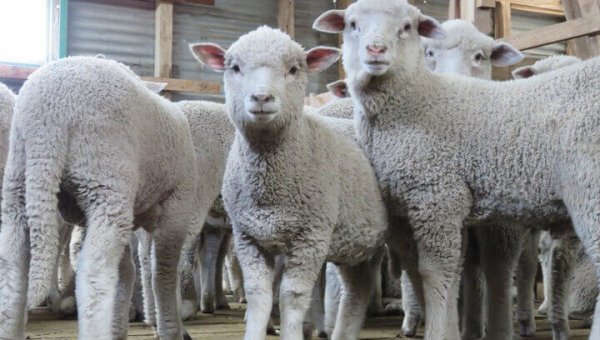
furniture and accessories for visual pleasure and comfort to humans. Most leather comes from China and India, which have one of the world’s biggest manufacturing industries and there is a great population increase and a lot of lands to breed animals from for manufacturing these materials, such as leather. Since not much government authorization is needed to willingly own a wild animal or farm animal, every year many mammals such as goats and sheep have their throats cut off and are skinned alive, while being conscious. Snakes, goats and sheep are skinned alive and boiled alive to make gloves. Other animals such as cows, which are still pregnant are perceived to be more “valuable”, and therefore are aborted. According to PETA, “85% of the fur industry’s skin comes from animals raised in battery cages in fur farms, where animals are deprived of the quality of life.” As mentioned before, with countries having little to no government permission and authorization to treat animals in a certain way, it is prohibited yet still common. According to the World Society for the Protection of Animals, the majority of fur
is produced in China, which does not have any animal welfare or protection laws. Fur that is not derived from fur farms comes either from trapping or in the form of killing wild animals.
People can initiate some ethical and more humane alternatives by purchasing cruelty-free
clothing, purchasing secondhand or recycled fur, avoiding fast fashion brands, and buying
upcycled denim when searching for jeans and other denim-related clothing.


Comments