

Conditions in Marine Parks - Hanya Awan
- hanyaawan411
- Jan 29, 2022
- 3 min read

Many animal organizations, groups and rescues seek the most effective solution to
care for and treatment for animals that have been abused, tortured and malnourished their entire life. Some charities have actually created shelters where the animals can live healthier, happier and more comfortable lives than the ones they would have with their previous owners, houses and natural habitats. It has been speculated for years that people usually create sustainability and seek urgent care for only mammals or house pets, such as dogs, cats, rabbits, and birds. While the causes and organizations have been promoting wildlife awareness and have created better solutions to care for these animals in the best way possible, there has been less conversation regarding sea animals and their habitats.

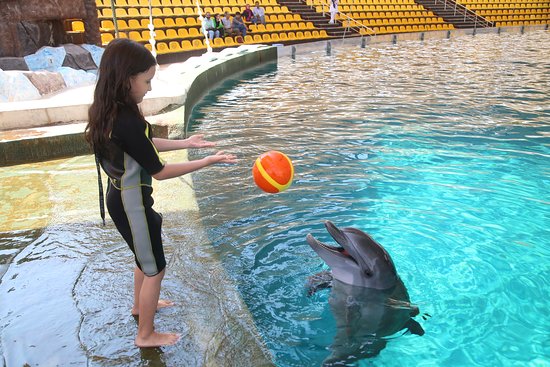
Many people believe that the sea animals kept in aquariums are not only there for people's entertainment and knowledge but also under reasonable conditions such as high-quality food, freshwater, a big swimming area and healthy diets. Despite the general perception of aquariums as nothing more than an extension of freedom for sea animals, conditions within marine parks are only getting worse as they create high risks for these animals. Peta states that many orcas in Marineland cannot travel long distances due to the large size of their living areas, which limits the animals' swimming and freedom. Families of these young marine animals are separated. “Lolita, torn away from her family when she was just a baby, has spent half a century in the same tank at the Miami Seaquarium. These animals are drugged to maintain their stress-induced aggressive behaviour when they are taken from the sea to the aquarium. When the whales and dolphins chew the tank bars, seeking attention, the volunteers or workers brutally abuse them. They break their teeth and are violently forced to perform tricks to engage and entertain the public. While many orcas are a great example to indicate that sea animals can live for centuries and over 100 years, the conditions of the aquariums shorten their long life span which results in higher orca death rates. For example, a wild female orca can have the ability to live for over 100 years, however, orcas that are kept captive for entertainment tend to die in their early teen years. Over 40 orcas have died at SeaWorld from factors that include: bacterial infections, fractured skulls and other diseases. According to PETA, more than 300 dolphins, whales and pinnipeds have also died in these marine parks. Dolphins are meant to be free in large spaces and oceans, instead, their living conditions limit the use of their talented abilities. They often maintain their dynamic relationships through groups and socializing and can swim up to 60 miles each day with a depth of 1,500 feet in nature. Although some governments and institutions are attempting to create a better chance for these marine animals, only little action and accountability have been taken. Some countries that are starting to take these matters into their own hands have started to take legal action against aquariums and marine parks to create new laws for animal maintenance. Countries that have recognized the important and ongoing issue have banned the practice of keeping marine animals in captivity, such as Canada, Chile, Costa Rica, and Croatia. India has created more effective changes, with their Ministry of Environment and Forests banning the practice of keeping dolphins captive for public entertainment. Thus, there needs to be more legal action to prevent the loss of these vulnerable and talented animals. Governments need to take sea animals’ captivity more seriously and create new laws for greater change of the lifestyle of all sea animals. Governments also need to inform the public of the brutal damages and changes that these marine animals undergo during their lifetime in captivity and tight, compressed and enclosed spaces.
Bibliography
1.
PETA. Aquariums and Marine Parks | PETA [Internet]. PETA. 2015. Available from:
https://www.peta.org/issues/animals-in-entertainment/zoos-pseudo-sanctuaries/aquariums-marine
-parks/
2.
California U of S, Mit. Why Do Animal Rights Activists Oppose Aquariums? [Internet].
Treehugger. Available from: https://www.treehugger.com/whats-wrong-with-aquariums-127638
3.
Ethical and Ecological Implications of Keeping Fish in Captivity [Internet]. Animal
Welfare Institute. 2020. Available from:
https://awionline.org/awi-quarterly/2015-fall/ethical-and-ecological-implications-keeping-fish-ca
ptivity
4.
King GF. Are aquariums moral? It’s complicated, says Jacques Cousteau’s grandson
[Internet]. Quartz. Available from: https://qz.com/1684631/are-aquariums-ethical/


Comments