

Fukushima Nuclear Tragedy - Millie Annabeth
- hanyaawan411
- Mar 21, 2022
- 1 min read

The Fukushima Nuclear disaster was a 2011 accident at the Fukushima Daiichi plant in Okuma, northern Japan, the accident is named the second-worst nuclear accident in the history of nuclear power generation. As workers continued their action to cool the reactors, the level of increasing radiation prompted Japan to issue warnings about their consumption. At the end of March, the evacuation zone was expanded to 30 km, knowing that the ocean water near the plant was contaminated with high levels of iodine-131 from the cracks in the trenches and tunnels between the plant and the ocean
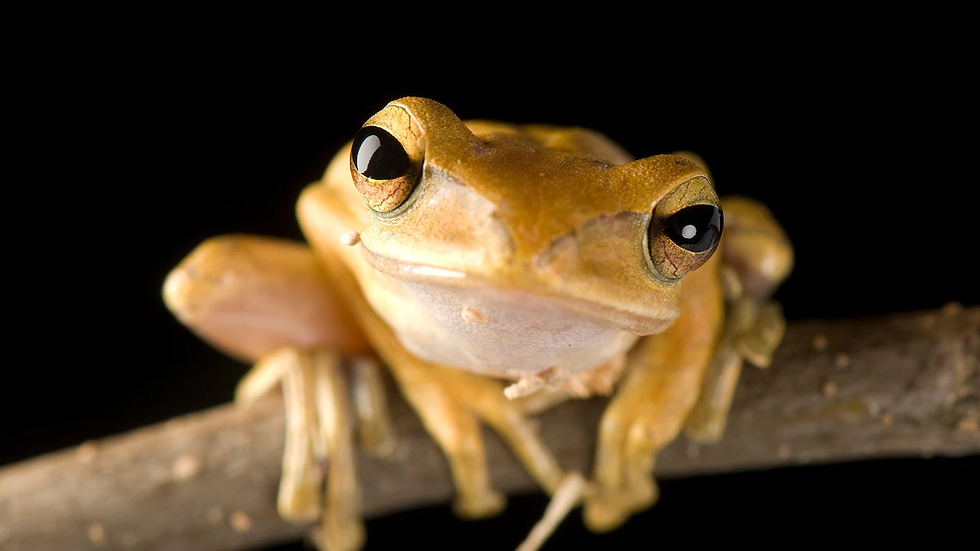
Shortly after the incident, research showed that the radiation contributed to DNA damage in earthworms, barn swallows, mice, and wild boar. However, in the Fukushima incident, research has shown that the effects of its radiation is slightly different compared to the Chernobyl disaster that happened in 1986, near the city of Pripyat in the north of the Ukrainian SSR in the Soviet Union. Considering the releases of radiation that were much lower than Chernobyl, there isn't any evidence of wildlife dying in the immediate aftermath from acute exposure. According to some available research both animals in Chernobyl and Fukushima are chronically exposed to low doses of radiation and still for now, knowing that high levels of acute radiation can cause genetic damage, it is unclear what the ultimate effect of the chronic low dose exposure are. So as a summary the animals near Fukushima are surprisingly doing well even after the nuclear accident but still, the levels of a radiation would always affect a wildlife’s future habitat, remembering the ocean that was contaminated with high levels of radiation.


Comments